The Unspoken Secrets Of Railroad Settlement Chronic Lymphocytic Leukemia


Railroad Settlements and Asbestos
In 1862, Congress passed The Pacific Railroad Act. This law aids in the financing of two transcontinental railway companies by providing large grants for rights-of-way. Railroad workers who contract cancer because of exposure to work-related hazards could file lawsuits against their employers under the Federal Employers Liability Act (FELA).
A jury in Illinois awarded $7.5 million to an ex- Union Pacific Trackman who died of acute myeloid leukemia. He blamed the cause of his blood cancer to massive exposure to creosote and benzene, which were used to protect and waterproof railroad ties made of wooden.
Creosote
Coal tar Creosote is an organic wood preserver, is used to shield railroad ties from heat, sun and cold, rain and snow. During the process of applying coal tar creosote, workers are exposed to a wide variety of toxic chemicals and solvents such as benzene. Benzene, a known carcinogen causes leukemia and non-Hodgkin's lymphoma, as with other serious consequences like convulsions, heartbeat changes, liver damage, anemia, and cancers of the lung and the body.
Our lawyers have successfully defended several lawsuits against Union Pacific Railroad for exposure to coal-tar creosote. One of these cases resulted in a $7.500,000 verdict. The plaintiff was a track department worker, developed acute myeloid cancer due to exposure to toxic chemical compounds while on the job for 31 years. The jury determined that the railroad did not provide any personal protective equipment and exposed him to a range of toxic chemicals such as coal-tar tar creosote, as well as coal distillates.
Another reason for this was the use of copper naphthalenate an alternative to creosote made from coal. Although it is less harmful to the environment than creosote is very dangerous. railroad injury settlement amounts has been identified as a carcinogen and can cause nerve, skin and lung damage to the lung, skin and nerves. It also contaminates the groundwater and soil with benzene.
Benzene
A colorless, liquid petroleum hydrocarbon, which is used in the production of resins, plastics nylon and synthetic fibers. It is also used in diesel fuels and exhaust. Most railroad workers are exposed to diesel fumes on an ongoing basis. Benzene is a well-known carcinogen is linked to leukemia as well as the myelodysplastic disease (MDS).
There is no safe level of exposure to benzene. It is taken in through the skin and inhaled. Long-term exposure could damage the blood and cause health problems, including anemia, irregular menstrual cycles and fertility issues. The chemical benzene has been linked to certain types of cancers including lung and breast cancer.
Inhaling benzene can be the most hazardous. Inhaling benzene can cause dizziness, headaches nose bleeds, headaches, and loss of consciousness. union pacific settlements can also affect the immune system and trigger infections.
A recent report highlighted the increased levels of benzene in the air near two Chicago train stations. Commuters and railroad employees were exposed to these high levels of pollution, which led to schools having to stop classes and cities to request residents to stay in shelters. Railroad workers, which includes car department employees, locomotive machinists pipefitters and electricians, often make use of benzene-containing items like Safety-Kleen parts washers and CRC Brakleen as well as paints and thinners. It is also found in printing solvents.
Asbestos
At first asbestos was utilized in the railroad industry. Asbestos is a group of six naturally occurring fibrous silicate minerals that were once highly sought-after in construction due to their fire-retardant resistant, fire-retardant, corrosion resistant and insulate properties. Inhaling these fibers can cause serious health issues like lung cancer, mesothelioma and asbestosis. Multiple myeloma settlements of these diseases can take anywhere from 15 to 30 years to show.
The EPA has prohibited asbestos mining and processing in the United States however, it is still present in a number of products. railroad injury settlement amounts includes certain kinds of floor felt, paper and fake fire embers. But, if these items are exposed to heat or water, they may release toxic asbestos fibers. They can also be released into the air during demolition of buildings or when homes are remodeled.
A recent study has shown that exposure to benzene for only five years significantly increases the risk of developing acute myeloid cancer (AML). If you're experiencing symptoms such as night sweats, unexplained weight loss, and a lack of appetite or lack of appetite, seek out your doctor immediately. They can do a blood test to look for AML.
The EPA recently settled a case against Genesee & Wyoming Railroad Services Inc. ( Multiple myeloma settlements ). GWRSI employs locomotives that run on diesel fuel and emit nitrogen oxides (NOx) and fine particulate matter (PM2.5). This EPA settlement requires that GWRSI replace any of its locomotives with newer models that are compliant with EPA emissions standards.
Diesel Exhaust
As long as diesel fuel continues to be used to power freight train railroad workers are exposed to exhaust. Diesel exhaust is a mix of toxic chemicals that includes carcinogens such benzene monoxide and formaldehyde. It also contains oxides of nitrogen as well as particulate matter and polyaromatic hydrocarbons.
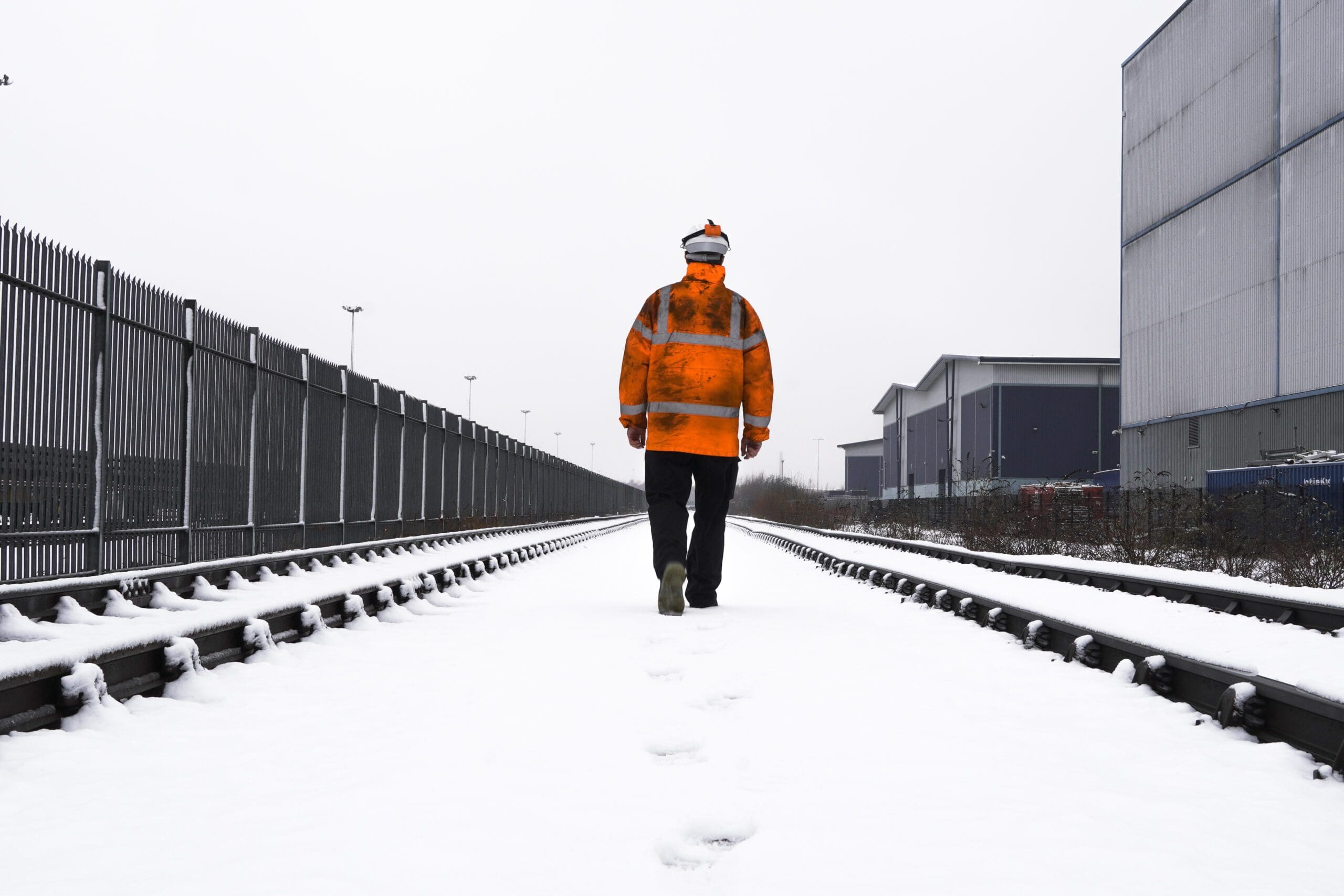
In reality, the International Agency for Research on Cancer classified diesel exhaust as a Group 1 carcinogen. Diesel exhaust can also trigger respiratory illnesses like chronic obstructive lung disease (COPD) or bronchiectasis. A 2006 article published in the journal Environmental Health Perspectives linked railroad worker's work and COPD rates.
When railcars and locomotives are running and idling, they emit diesel exhaust. The machines and engines that are idle emit gases in addition to diesel fumes, which include nitrogen oxides and sulfur dioxide.
Diesel exhaust fumes are often similar to those in locomotive cabs in which conductors and engineers are seated for up to six hours per day. The equipment and engine emit more exhaust fumes from diesel engines when workers enter or leave the cabins. This can lead to pulmonary and cancerous ailments.
In roundhouses that are not well ventilated workshops, shops, and roundhouses railroad mechanics have to contend with high levels of exposure to diesel exhaust. They work in enclosed spaces with track equipment, locomotives and asbestos-insulated steam boilers.